
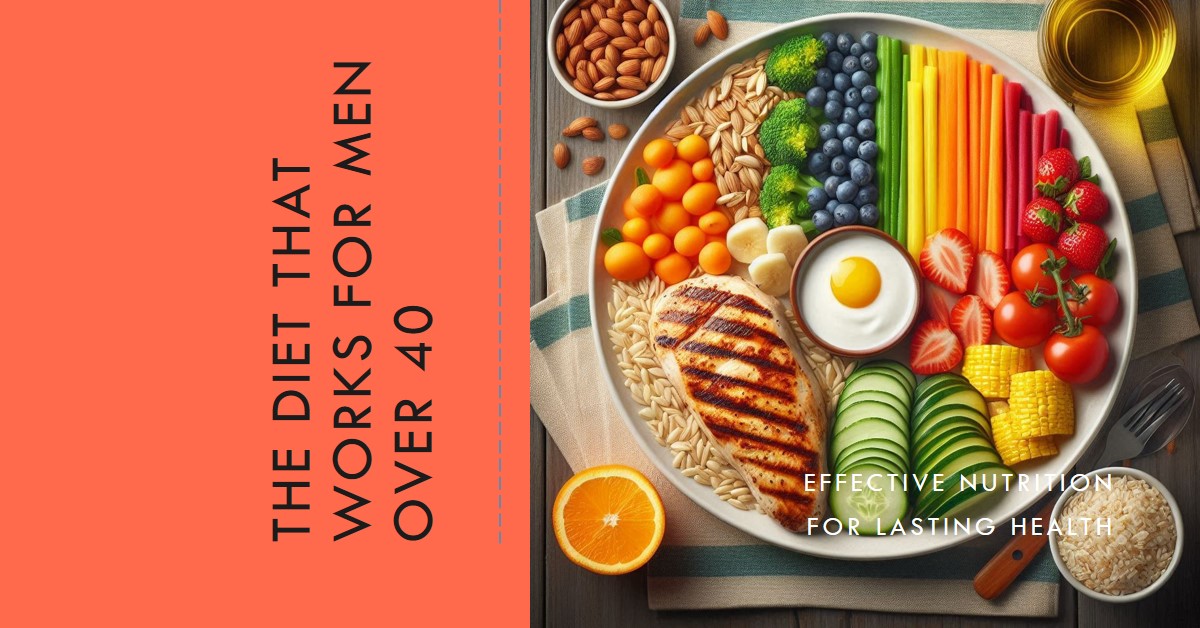
Reaching your 40s brings wisdom and experience, but also unique nutritional challenges that can make weight management and staying healthy more difficult than ever. Your metabolism slows down, muscle mass decreases, and hormonal changes affect how your body processes food. However, there’s good news: the diet that works for men over 40 is both achievable and sustainable. Understanding this helps you eat in ways that support your changing body, maintain energy, and feel your best. This guide aims to empower you with practical tips for a healthier, more vibrant life.
Why Men Over 40 Need a Different Approach
Your body at 40 is not the same as it was at 20 or even 30. The eating habits that worked when you were younger may now lead to weight gain and health problems. Recognising these changes helps you feel more in control and confident about why a tailored nutrition approach is essential for your well-being.
Testosterone levels naturally decline by about 1% per year after age 30. By your 50s, this decline becomes more noticeable. Lower testosterone affects muscle mass, energy levels, and how your body stores fat. You might notice more belly fat accumulating even if your eating habits haven’t changed.
Your metabolism slows down significantly during this decade. You burn fewer calories at rest than you did when you were younger. It means you can gain weight by eating the same amount of food you used to eat to stay lean. The average man’s metabolism drops by about 2-4% per decade after age 25.
Muscle loss accelerates after 40 unless you actively work to prevent it. This process, called sarcopenia, doesn’t just affect your strength. Muscle tissue burns more calories than fat, so losing muscle further slows your metabolism. It’s a challenging cycle that proper nutrition can help break.
Digestive changes also become more common. Your stomach produces less acid, which can affect nutrient absorption. Many men develop food sensitivities they never had before. Digestive issues like heartburn and bloating become more frequent.
The Core Principles of the Diet That Works for Men Over 40
The diet that works for men over 40 is built on several fundamental principles that address your body’s changing needs, such as supporting joint health and maintaining energy. These aren’t temporary rules or restrictive guidelines. They’re sustainable habits that support long-term health and vitality.
Protein becomes more important than ever. Your body needs adequate protein to maintain muscle mass, support immune function, and keep you feeling satisfied. Aim for at least 0.7-1 gram of protein per pound of body weight daily. It might sound like a lot, but spreading it across meals makes it manageable.
Fibre intake should increase to support digestive health and heart health. Most men over 40 need at least 30 grams of fibre daily. Fibre helps control blood sugar levels, lower cholesterol, and promote healthy digestion. It also helps you feel full, which aids weight management.
Healthy fats are essential for hormone production and brain health. Don’t fear fat, but choose the right kinds. Focus on omega-3 fatty acids from fish, nuts, and seeds. These fats support heart health and may help maintain testosterone levels.
Calorie control matters, but not through starvation or extreme restriction. Most men over 50 need between [1,800] and [2,400] calories per day, depending on activity level. Focus on getting those calories from nutrient-dense foods rather than from empty calories, supporting your health without feeling deprived.
Meal timing can impact results significantly. Eating protein at breakfast helps preserve muscle mass and boosts energy early in the day. Avoiding large meals late at night supports better sleep and digestion. Consistency in meal timing and portion sizes helps regulate hunger and energy levels throughout the day.
What to Eat: The Best Foods for Men Over 40
The diet that works for men over 40 emphasises specific foods that provide maximum nutritional benefit while supporting your health goals. For example, include grilled salmon with quinoa and steamed spinach for dinner or a breakfast of oatmeal topped with walnuts and berries. Let’s look at what should fill your plate regularly.
Lean proteins should be the foundation of most meals. Chicken breast, turkey, fish, and lean beef provide essential amino acids for muscle maintenance. Fish such as salmon, mackerel, and sardines provide omega-3 fatty acids that support heart and brain health. Aim for at least two servings of fatty fish per week.
Eggs are nutrition powerhouses perfect for men over 40. They’re rich in protein, vitamin D, and choline, which support brain health. Don’t fear the yolk—it contains most of the nutrients. Whole eggs support healthy cholesterol levels when consumed as part of a balanced diet.
Colourful vegetables should fill half your plate at lunch and dinner. Dark leafy greens like spinach and kale provide vitamins, minerals, and antioxidants. Cruciferous vegetables like broccoli and Brussels sprouts contain compounds that may support healthy testosterone levels. Tomatoes provide lycopene, which benefits prostate health.
Whole grains provide sustained energy and important nutrients. Oatmeal, quinoa, brown rice, and whole-wheat bread provide fibre, B vitamins, and minerals. They help stabilise blood sugar and keep you satisfied longer than refined grains do.
Nuts and seeds make excellent snacks and additions to meals. Almonds, walnuts, pumpkin seeds, and chia seeds provide healthy fats, protein, and minerals like zinc and magnesium. These nutrients support testosterone production and overall health.
Foods to Limit or Avoid
Understanding the diet that works for men over 40 also means knowing what to minimise or eliminate from your eating plan. These foods can sabotage your health goals and accelerate age-related decline.
Processed foods should be minimised as much as possible. These products often contain excessive sodium, unhealthy fats, and added sugars. They provide calories without meaningful nutrition. Your body struggles to process these artificial ingredients, especially as you age.
Refined carbohydrates spike blood sugar and contribute to belly fat accumulation. White bread, pastries, sugary cereals, and most packaged snacks fall into this category. These foods provide quick energy, but the crash leaves you hungry and tired.
Excessive alcohol becomes more problematic after 40. Alcohol interferes with sleep quality, lowers testosterone, and adds empty calories. It also affects liver function and can contribute to belly fat. If you drink, limit yourself to one or two drinks per day maximum.
High-sodium foods increase the risk of high blood pressure, which becomes a greater concern after 40. Processed meats, canned soups, frozen dinners, and restaurant meals often contain excessive sodium. Aim to keep sodium intake below 2,300 mg daily.
Trans fats and excessive saturated fats harm heart health. Fried foods, baked goods, and many packaged snacks contain these harmful fats. They raise bad cholesterol and increase inflammation throughout your body.
Sample Meal Plan for Men Over 40
Seeing what the diet that works for men over 40 looks like in practice makes it easier to implement. Here’s a sample day of eating that incorporates all the principles we’ve discussed.
Breakfast should focus on protein and fibre to start your day strong. Try three scrambled eggs with spinach and mushrooms, served with a slice of whole-grain toast and half an avocado. Add a cup of berries for antioxidants. This meal provides about 400-500 calories with 30+ grams of protein.
A mid-morning snack keeps energy steady until lunch. A small handful of almonds (about 15-20) with an apple works perfectly. This provides healthy fats, fibre, and sustained energy. Greek yoghurt with a tablespoon of ground flaxseed is another excellent option.
Lunch should be substantial enough to keep you satisfied. A large salad with grilled chicken breast, mixed greens, cherry tomatoes, cucumbers, and olive oil dressing hits the mark. Add a small sweet potato or half a cup of quinoa for healthy carbs. This meal delivers protein, fibre, and various nutrients.
Afternoon Snack prevents evening overeating. Carrot sticks with hummus or a protein shake made with whey protein and almond milk keep hunger at bay. This small meal helps maintain stable blood sugar throughout the afternoon.
Dinner should be satisfying but not too heavy. Grilled salmon with roasted broccoli and Brussels sprouts, plus half a cup of brown rice, provides excellent nutrition. The omega-3s from salmon support heart and brain health. Finish at least three hours before bedtime for optimal digestion.
Hydration Matters More Than You Think
Water intake is a crucial component of a diet that works for men over 40, yet it is often overlooked. Proper hydration affects everything from metabolism to brain function.
Your thirst signals decrease with age, meaning you might not feel thirsty even when dehydrated. Many men over 40 walk around chronically under-hydrated without realising it. It affects energy levels, digestion, and even appetite regulation.
Aim for at least 8-10 glasses of water daily, more if you’re active or live in a hot climate. Your urine should be pale yellow. Dark urine indicates dehydration. Some experts recommend drinking half your body weight in ounces daily.
Water before meals can aid weight management. Drinking 16 ounces before eating helps you feel fuller and may reduce calorie intake. This simple habit supports better portion control without feeling restrictive.
Coffee and tea count toward hydration, but shouldn’t be your only sources of fluids. Green tea provides antioxidants and may slightly boost metabolism. Just watch added sugars and creamers that turn healthy beverages into calorie bombs.
Limit sugary drinks and fruit juices completely. These provide empty calories that spike blood sugar without satisfying hunger. Even 100% fruit juice lacks the fibre of whole fruit while concentrating the sugar content.
Supplements to Consider
While food should provide most nutrients, certain supplements can support a diet that works for men over 40. Your body’s ability to absorb and produce some nutrients decreases with age.
Vitamin D deficiency is extremely common in men over 40, especially those who don’t get much sun exposure. This vitamin supports bone health, immune function, and mood. Most men benefit from 1,000-2,000 IU daily, but testing determines your specific needs.
Omega-3 supplements benefit heart and brain health if you don’t eat fish regularly. Fish oil or algae-based supplements provide EPA and DHA, the most beneficial omega-3 fatty acids. Aim for at least 1,000 mg combined EPA and DHA daily.
Magnesium supports muscle function, sleep quality, and heart health. Many men don’t get enough from food alone. A supplement of 200-400 mg daily can help, especially if you experience muscle cramps or sleep issues.
Vitamin B12 absorption decreases with age. This vitamin is crucial for energy production and nerve function. Men over 40 should consider a B12 supplement, especially if following a plant-based diet. A daily dose of 500-1,000 mcg is typically recommended.
Protein powder can help you meet protein goals conveniently. Whey protein is easily absorbed and supports muscle maintenance. Plant-based options work well, too. Use protein powder to supplement whole food sources, not replace them.
Exercise and Diet Work Together
The diet that works for men over 40 delivers the best results when combined with appropriate exercise. Nutrition and physical activity are two sides of the same health coin.
Strength training becomes essential after 40 to maintain muscle mass. Your diet should support this activity with adequate protein and calories. Eating protein within an hour after strength training maximises muscle protein synthesis.
Cardiovascular exercise supports heart health and calorie burning. Your diet should provide enough carbohydrates to fuel these workouts. Whole grains, fruits, and vegetables supply the energy needed for sustained cardio sessions.
Timing meals around workouts can optimise results. Eating a combination of protein and carbs before exercise provides energy. Post-workout meals with protein support recovery and muscle building. Don’t exercise on an empty stomach if it affects your performance.
Nutrition for recovery becomes more important as you age. Your body takes longer to recover from intense exercise. Proper nutrition speeds this process and prevents injury—adequate protein, antioxidants from fruits and vegetables, and staying hydrated all support recovery.
Rest days require different nutritional approaches than training days. You might need slightly fewer calories on rest days, but protein needs remain high. These are the days when your muscles actually repair and grow stronger.
Managing Common Health Concerns Through Diet
The diet that works for men over 40 helps prevent and manage health conditions that become more common with age. Proper nutrition is powerful medicine for many age-related issues.
High blood pressure affects many men over 40. A diet rich in potassium, magnesium, and fibre helps lower blood pressure naturally. Limiting sodium intake, avoiding processed foods, and reducing excessive alcohol consumption also make a significant difference. The DASH diet approach is effective for managing blood pressure.
High cholesterol responds well to dietary changes. Increasing fibre, especially soluble fibre from oats and beans, lowers LDL cholesterol. Omega-3 fatty acids improve the HDL-to-LDL ratio. Limiting saturated fat and eliminating trans fats is crucial.
Type 2 diabetes risk increases with age, but diet can prevent or reverse it. Controlling carbohydrate intake, choosing low-glycemic foods, and eating protein with carbs stabilises blood sugar. Weight loss through proper nutrition often reverses prediabetes completely.
Prostate health benefits from specific nutrients. Lycopene from tomatoes, zinc from pumpkin seeds, and omega-3 fatty acids all support prostate function. Limiting intake of dairy and red meat may reduce the risk of prostate cancer, though research in this area is ongoing.
Joint pain and inflammation decrease with anti-inflammatory eating. Fatty fish, turmeric, ginger, and colourful fruits and vegetables reduce inflammation. Avoiding processed foods, excess sugar, and unhealthy fats also helps manage joint discomfort.
Weight Loss Strategies for Men Over 40
If weight loss is your goal, the diet that works for men over 40 requires a strategic approach that differs from generic weight loss advice.
Create a moderate calorie deficit, not an extreme one. Cutting 300-500 calories below your maintenance level promotes steady, sustainable weight loss. Drastic calorie cuts can trigger muscle loss and metabolic slowdown, making long-term success harder.
Prioritise protein to preserve muscle while losing fat. Higher protein intake during weight loss prevents the muscle loss that typically accompanies fat loss. Aim for the upper end of protein recommendations when cutting calories.
Don’t skip meals or go too long without eating. This strategy backfires after 40 by slowing metabolism and increasing the likelihood of overeating later. Regular meals maintain steady blood sugar and energy levels throughout the day.
Track your food intake for at least a few weeks. You might be eating more than you realise, especially with portion sizes. Apps make tracking easy and reveal patterns you can adjust. Awareness often leads to natural improvements.
Focus on losing 1-2 pounds per week, at most. Faster weight loss usually means losing muscle along with fat. Slower, steady progress preserves muscle mass and is more sustainable in the long term. Patience pays off after 40.
Building Sustainable Eating Habits
The diet that works for men over 40 isn’t a temporary fix but a lifestyle change. Building habits that last requires a different mindset than typical dieting approaches.
Start with small, manageable changes rather than overhauling everything at once. Add one serving of vegetables to dinner this week. Switch to whole-grain bread next week. Gradual changes stick better than dramatic overhauls that feel overwhelming.
Prepare meals at home as much as possible. Restaurant meals and takeout contain more calories, sodium, and unhealthy fats than home cooking. Cooking gives you complete control over ingredients and portions. It doesn’t have to be complicated—simple meals work just as well.
Plan your meals and snacks. Spontaneous eating decisions often lead to poor choices, especially when hungry. Spend time on weekends planning the week’s meals. Prep some ingredients ahead of time to make weekday cooking easier.
Allow flexibility for social situations and special occasions. The diet that works for men over 40 accommodates real life. Enjoy birthday cake or dinner out without guilt. One meal doesn’t derail progress—patterns matter more than individual choices.
Find healthy foods you genuinely enjoy eating. If you hate your diet, you won’t stick with it. Experiment with new recipes and ingredients. There are delicious, healthy options that satisfy you without feeling like deprivation.
Overcoming Common Obstacles
Men over 40 face specific challenges when changing eating habits. Addressing these obstacles proactively increases your chances of success with the diet that works for men over 40.
Busy schedules make consistent healthy eating challenging. Meal prep solutions help tremendously. Cook larger batches and freeze portions. Keep healthy convenience foods, such as frozen vegetables and canned beans, stocked. Quick doesn’t have to mean unhealthy.
Social pressure from friends or family can derail your efforts. Not everyone will support your health goals. Stand firm in your choices without being preachy. Your actions speak louder than words. Eventually, your results inspire others.
Cravings for unhealthy foods don’t magically disappear. Allow occasional treats in moderation so you don’t feel deprived. Find healthier versions of favourite foods. Sometimes cravings indicate nutrient deficiencies—ensure you’re eating balanced meals.
Eating out can be challenging, but it isn’t impossible—research menus beforehand and decide what to order. Ask for modifications, such as grilled instead of fried, or dressing on the side. Skip the bread basket and focus on protein and vegetables.
Travel disrupts routines and healthy eating. Pack healthy snacks for trips. Choose accommodations with kitchenettes when possible, and research healthy restaurants at your destination. Stay hydrated and don’t stress about perfection while travelling.
Monitoring Progress and Adjusting
Success with the diet that works for men over 40 requires regular assessment and adjustments based on your results and how you feel.
Track more than just the scale. Weight fluctuates daily due to water retention and other factors. Measure waist circumference, take progress photos, and note how your clothes fit. These metrics often show progress when the scale doesn’t budge.
Pay attention to energy levels and how you feel. Good nutrition should increase energy, improve sleep, and enhance mood. If you feel constantly tired or irritable, something needs to be adjusted. Your diet should make you feel better, not worse.
Monitor workout performance and recovery. If strength and endurance improve, your nutrition supports your training. If performance declines or recovery takes longer, you might need more calories or a different meal timing.
Get regular health check-ups, including blood work. Cholesterol, blood sugar, blood pressure, and other markers show how diet impacts your health. Improvements in these numbers provide powerful motivation to continue healthy habits.
Be willing to adjust your approach based on results. If something isn’t working after giving it a fair try, change it. Individual responses to diets vary. What works for your friend might not work for you, and that’s okay.
Conclusion
The diet that works for men over 40 is built on principles that address your body’s changing needs while remaining sustainable and enjoyable. It emphasises protein for muscle maintenance, fibre for digestive health, and healthy fats for hormone production. It includes plenty of vegetables, whole grains, and lean proteins while limiting processed foods and excess sugar.
It isn’t about perfection or following rigid rules. It’s about making consistent, smart choices that support your health goals. Small improvements compound over time into significant results. Focus on progress rather than perfection.
Your 40s can be among your healthiest and most vital years when supported by proper nutrition. The diet that works for men over 40 provides energy, protects against disease, and helps maintain a healthy weight. Combined with regular exercise and good sleep, it’s a powerful foundation for thriving in this decade and beyond.
Start today with one or two changes from this guide. Add a protein-rich breakfast. Increase your vegetable intake. Drink more water. Small steps lead to lasting transformation. Your future self will thank you for investing in your health now.
Remember, it’s never too late to improve your diet and health. Whether you’re just turning 40 or you’re well into your 60s or beyond, the principles in this guide work. Give yourself time to adjust, be patient with the process, and celebrate every positive change you make.
Affiliate Links:
Some links in this article may be affiliate links, meaning they could generate compensation to us without any additional cost to you, should you choose to purchase a paid plan. These are products we have personally used and confidently endorse. Please note that this website does not provide financial advice or investment recommendations. You can review our affiliate disclosure in our privacy policy for more information.